Mahindra Kabira Festival – Morning Music Sessions at Sunrise
Date status: Mahindra Kabira Festival is officially listed for 4–6 December 2026. The exact sunrise-session days, time, venue and artists must be checked against the official festival programme; the earlier detailed lineup on this page was not confirmed.
Quick Facts
- When: During the 4–6 December festival; exact sessions pending
- Where: Confirm on the official programme
- Entry: Included with delegate or daily pass (limited stand-by seats for locals)
- Best For: Classical music lovers, photographers, meditators craving quiet
Planning the full festival? Read the Mahindra Kabira Festival guide for verified dates and links to the official programme.
Festival dates: December 4-6, 2026 Session time: To be confirmed Venue: To be confirmed Entry: Festival delegate pass or daily pass
The Experience of Raag at Sunrise
Imagine waking before dawn, wrapping yourself in a warm shawl, and making your way to the Ganges as stars fade and darkness lifts. You settle on the ancient steps by the water, and as the first light touches the horizon, a master sitar player's fingers dance across strings, creating raag – the classical Indian musical form that responds to time of day and emotional mood.

This is the essence of the Mahindra Kabira Festival's morning music sessions – a rare convergence of art, spirituality, and nature.
Sunrise programme
The festival is known for morning music, but the 2026 artist order and session timetable should be taken only from the official programme. Do not plan around names or times copied from an earlier edition.
What Makes December's Morning Ideal
- Acoustic Perfection: Winter air carries sound crisply without summer's heat distortion.
- Spiritual Ambiance: Early morning ritual energy amplifies the musical experience.
- Natural Lighting: Golden sunrise provides visual beauty.
- Reduced Disturbance: Fewer tourists mean sacred atmosphere remains intact.
- Temperature: Cool morning air keeps you alert and receptive.
How to Maximize This Experience
Preparation (Night Before)
- Sleep well – the 4:45 AM start requires rest.
- Lay out warm clothes, avoid early-morning scrambling.
- Eat light dinner; some prefer fasting before spiritual experiences.
- Set alarm for 4:30 AM.
Morning Routine
- Arrive at venue by 6:00 AM.
- Sit toward back if camera use planned (respect performers).
- Silence phone completely.
- Find spot with clear view but doesn't obstruct others.
During Performance
- Allow the music to wash over you rather than analyzing.
- Close eyes if it enhances the experience.
- Observe your breath synchronizing with raag's rhythm.
- Notice how your emotions shift with musical phrases.
After Performance (Equally Important)
- Sit in silence for few minutes – don't rush away.
- Journal your experience before it fades.
- Engage respectfully with other attendees.
- Purchase CDs or digital recordings if available.
The Science Behind Morning Raag
Classical Indian musicology categorizes raags by time of day. Morning raags typically:
- Use ascending pitch sequences (aligning with sun's rise).
- Feature soft, meditative notes.
- Include specific note combinations that are believed to energize.
- Follow rhythmic patterns that echo morning bird songs.
Example Morning Raag: Bhairav (performed in early morning), featuring the note 'ri' which connects to awakening consciousness in Ayurvedic tradition.
Logistics & Booking
Cost:
- Included in 3-day festival pass (₹40,000).
- Daily pass: ₹5,000-8,000.
- Some sessions open to non-ticket holders (arrive early, space permitting).
Accessibility:
- Seating on ancient ghat steps (not wheelchair accessible).
- Bring cushion if sitting on stone for 45 minutes is uncomfortable.
- No stairs – level ground access from main ghat.
Weather Consideration:
- December mornings range 8-15°C.
- Bring thermal wear, not just blankets (wind off river is cold).
- Risk of fog (very rare in mid-December but possible early month).
Beyond the Session: Deeper Engagement
Meet the Musicians (Optional): If appropriate opportunities arise, a brief conversation with artists (not during their rest time) can be enriching. Most musicians are humble and appreciate genuine musical interest.
Learn About Raag: The festival includes daytime sessions on raag basics – attending one helps you appreciate morning session nuances.
Recording & Memory: While some official recordings may be available, the live experience is irreplaceable. Rather than filming, consider recording audio on phone – you'll preserve sound while staying present.
Post-Session Recommendations
After the sunrise session ends around 7:15 AM, you have several options:
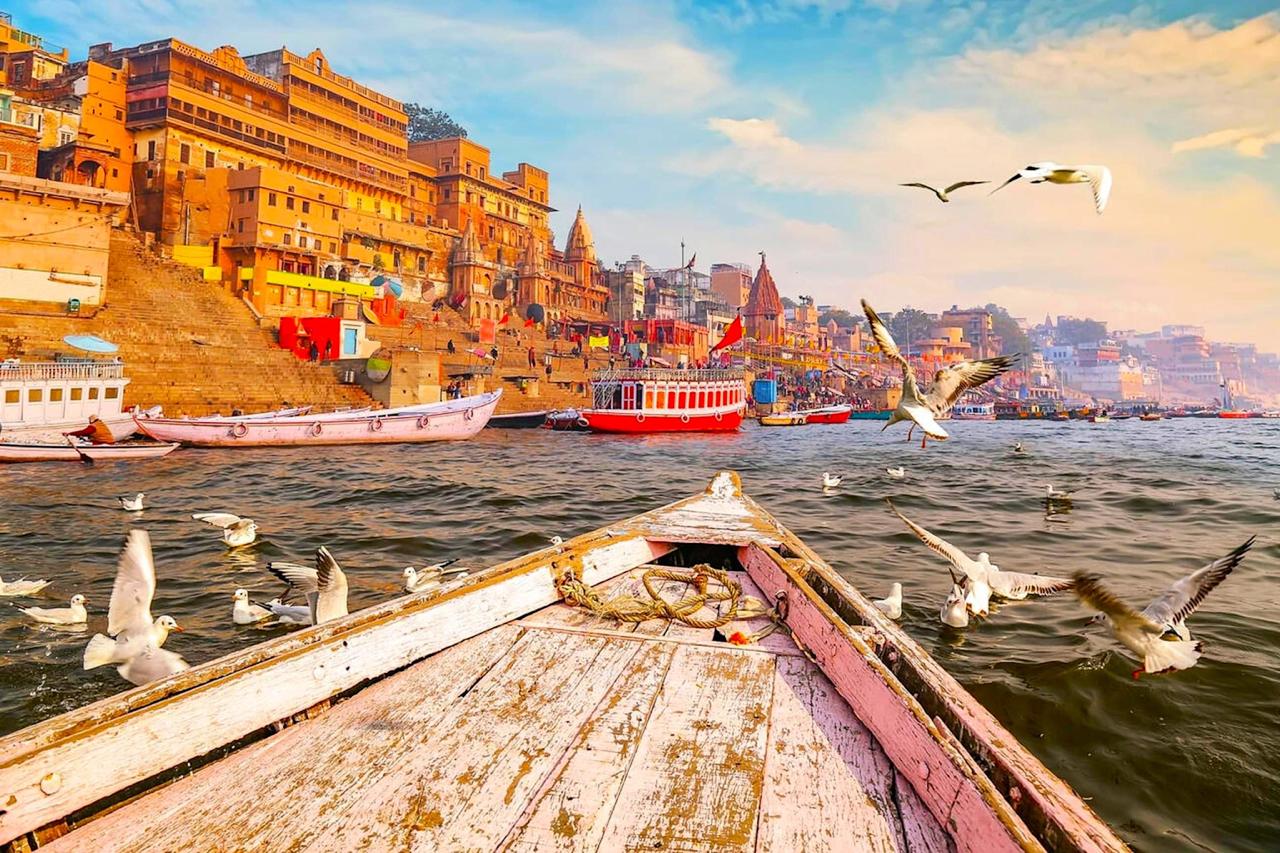
- Breakfast at Ghat-Side Cafe: Enjoy Malaiyo, Varanasi's winter dessert, hot chai, and kachoris while watching the city wake.
- Immediate Ghat Walk: Walk to nearby Dashashwamedh Ghat for morning Ganga Aarti (around 7:30 AM) – completes the spiritual morning.
- Return to Hotel: Rest before day's festival activities.
Taxi-Linked Extensions:
- Book a noon Varanasi to Sarnath Tempo Traveller run for a Buddhist circuit immediately after the set.
- Reserve sunset drives to Prayagraj or Ayodhya using the Varanasi to Prayagraj tour plan and Varanasi to Ayodhya taxi guide if you're stitching a longer Sapta Puri journey around the festival weekend.
Why This Specific Experience
The convergence of professional musicianship, sacred location, natural timing, and intimate setting creates conditions rarely accessible in modern life. It's spirituality without commercialization, art without ego, and nature in full participation. December's clear season and the festival's deliberate curation make these three mornings uniquely powerful.