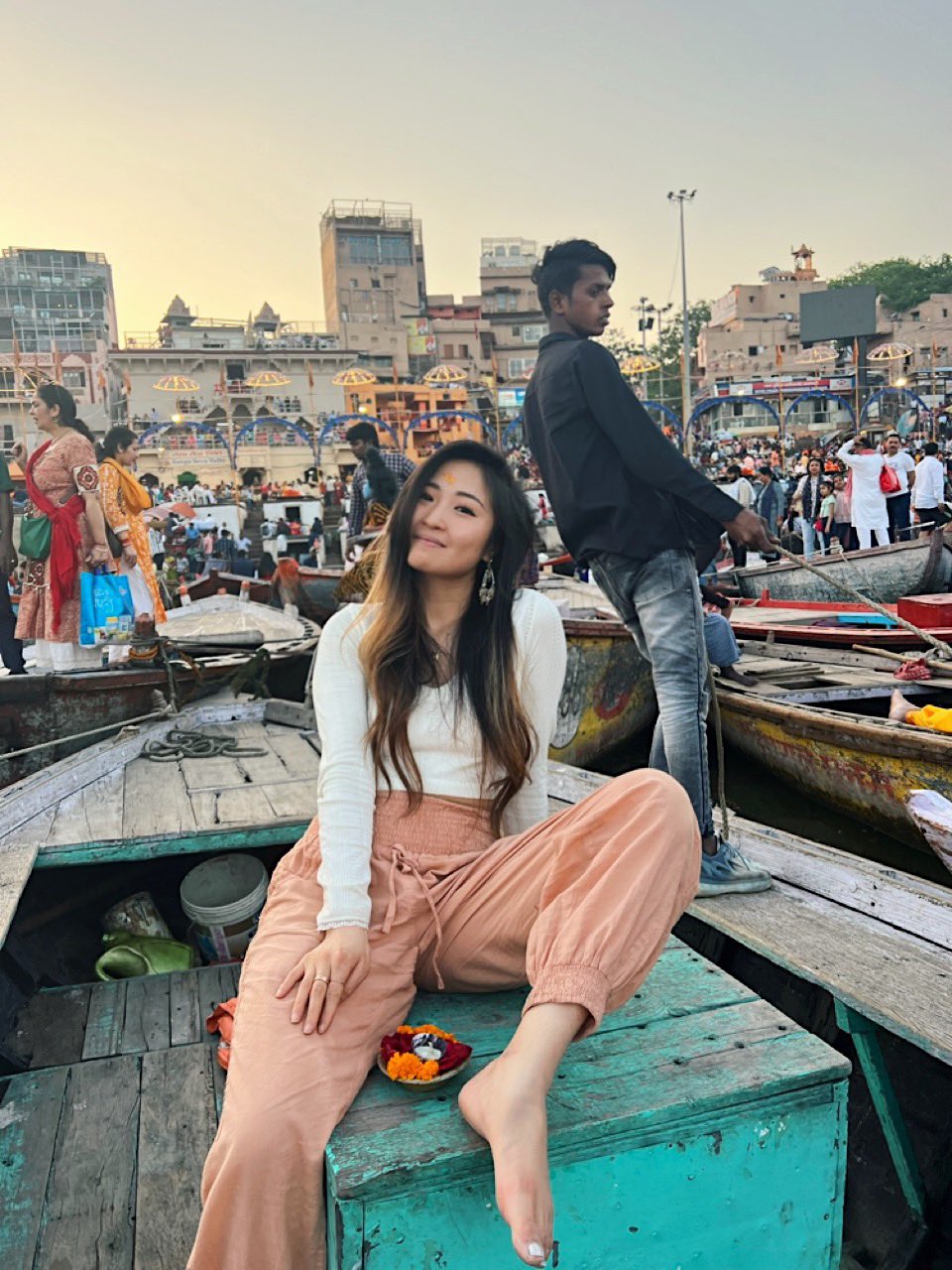
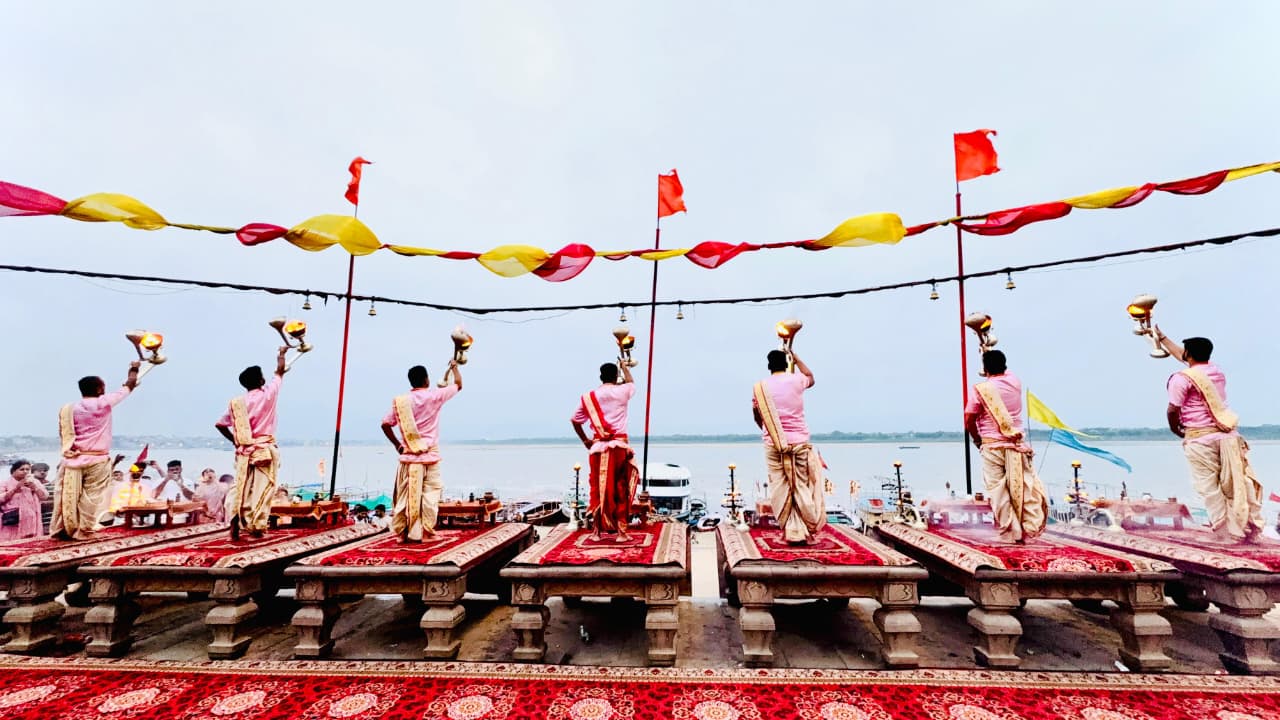
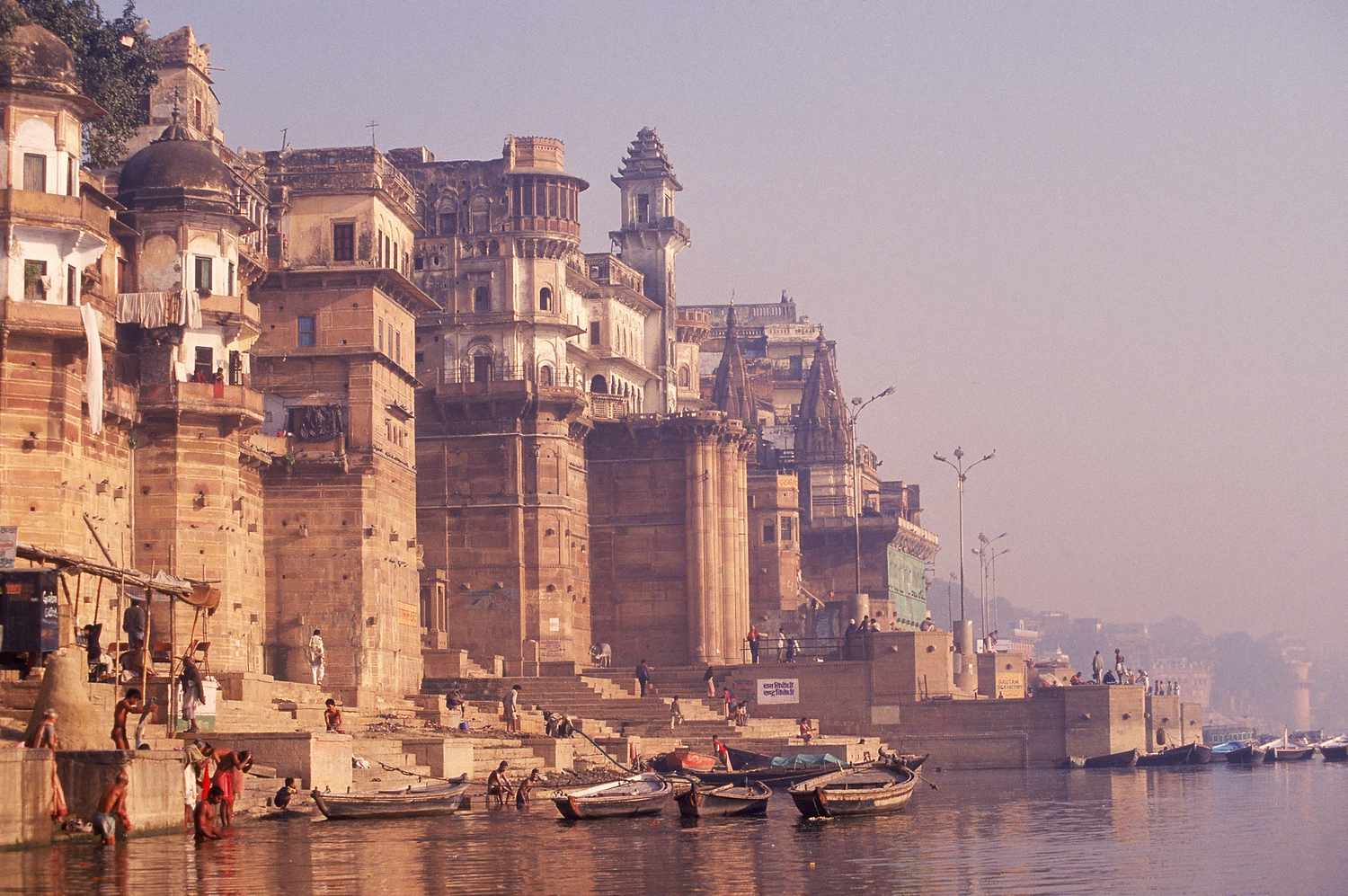
TL;DR: October–March generally brings cooler conditions, while monsoon river operations and summer heat can affect plans. Dev Deepawali falls on 24 November 2026; verify boat permissions, availability and prices close to the event.
Season freshness: Updated for May-July 2026 event operations (Buddha Purnima, Ganga Dussehra, Guru Purnima, Shravan onset).
The best time to visit Varanasi is from October to March. During these months, the weather is cool and dry, making it perfect for walking along the ghats, photography, and comfortably enjoying the city's spiritual atmosphere. This is also the peak tourist season, so it's wise to book accommodation and travel in advance.
When is the Best Time to Visit Varanasi?
The best time to visit Varanasi is from October to March. During these months, the weather is cool and dry, making it perfect for walking along the ghats, photography, and comfortably enjoying the city's spiritual atmosphere. This is also the peak tourist season, so it's wise to book accommodation and travel in advance.
Why Your Travel Timing in Varanasi Matters
Varanasi's experience changes dramatically by season. Your choice affects weather comfort, festival access, boat availability on the Ganga, crowd levels, and hotel prices. Use the guide below to match your travel style with the right month.
The best time to visit Varanasi is from October to March. During these months, the weather is cool and dry, making it perfect for walking along the ghats, photography, and comfortably enjoying the city's spiritual atmosphere. This is also the peak tourist season, so it's wise to book accommodation and travel in advance. Expect evening crowd density on flagship ghats to jump from ~35% in early October to 90%+ on Dev Deepawali week—line up priorities (boat vs. steps vs. rooftops) before you land.
Fast crowd framing: October weekends now average 65% hotel occupancy, Dev Deepawali week sells out boats 30 days ahead, and late February offers 40% thinner ghats with the same golden light.
Dev Deepawali 2026 at a Glance (Mini Calendar)
Week of 3–9 November 2026 — Updated weekly
Mon
Tue
Wed 5 Nov
Thu
Fri
Sat
Sun
3
4 Ganga Mahotsav finale
5 Dev Deepawali Arrive by 4:30 PM
6 Boat surge easing
7 Post-crowd sunrise shots
8
9
When is the Best Time to Visit Varanasi?
The best time to visit Varanasi is from October to March. During these months, the weather is cool and dry, making it perfect for walking along the ghats, photography, and comfortably enjoying the city's spiritual atmosphere. This is also the peak tourist season, so it's wise to book accommodation and travel in advance.
Why Your Travel Timing in Varanasi Matters
Varanasi’s experience changes dramatically by season. Your choice affects weather comfort, festival access, boat availability on the Ganga, crowd levels, and hotel prices. Use the guide below to match your travel style with the right month.
Varanasi Weather & Temperature by Season
May-July 2026 Decision Window (Fast Planner)
If your trip is fixed in summer, use this quick matrix:
May 1 (Buddha Purnima): choose Sarnath-heavy plan, start before 7:30 AM.
May 25 (Ganga Dussehra): target Dashashwamedh with early arrival and pre-decided exit lane.
June 25 (Nirjala Ekadashi): keep it observational; avoid long noon exposure.
July 16 (Jagannath Rath Yatra): expect route diversions and dense local processions.
July 29 (Guru Purnima): prioritize Sarnath and ashram circuits.
July 30 onward (Shravan onset): rising Kanwar traffic pressure; keep buffers for every transfer.
Typical temps:15–25 °C by day; ~5–12 °C on some Dec–Jan mornings.
Feels like: Perfect for long walks; soft light and mist over the Ganga at sunrise; magical evening Ganga Aarti viewing.
Why go: The best combination of comfortable weather, vibrant culture, and ideal photography conditions.
Summer in Varanasi (April–June) – Off-Season
Typical temps:40–45 °C peak; hot, dry loo winds.
Feels like: Draining; the stone ghats radiate intense heat, and afternoons are best spent indoors.
Tip: If you must visit in summer, plan all activities for sunrise and post-sunset hours. Hydrate constantly.
Monsoon in Varanasi (July–September) – Off-Season
Typical temps:30–35 °C with high humidity.
Feels like: Dramatic skies and freshly washed ghats, but the river swells and can flood the lower steps.
Note:Ganga boat rides may be suspended for safety when the water level is high. Keep your plans flexible.
Monsoon & Flooding: what the season really does to your trip
Monsoon in Varanasi is roughly July–September. The Ganga rises and often submerges the lower ghat steps, so your mental image of sitting low on Dashashwamedh or walking continuously along the river may not work. Evening Ganga Aarti still happens on most nights, but on high-water days it is often shifted to higher platforms, rooftops, or upper-terrace viewing zones.
Boat rides are the biggest variable. On high-water/current days, operations can be suspended or restricted with little notice; keep the evening boat ride + Ganga Aarti plan conditional instead of building the whole trip around it. Cremation ghats also compress when lower steps are under water, so give Manikarnika/Harishchandra more space and avoid crowding ceremonies.
Also be honest about summer: May–June is brutally hot, often 40°C+, and noon sightseeing is punishment. If you are deciding trip length, start with how many days in Varanasi, then keep monsoon/summer days flexible. In unpredictable weather, a fixed-fare AC cab is not a luxury — it lets the driver swap in indoor stops, shift temple timing, and keep you off flooded lanes without renegotiating every ride.
🚕 Do all the ghats & temples in one calm day
A fixed-fare full-day Varanasi city tour cab with a local driver who knows the one-way lanes, parking, and darshan timings — so you cover Kashi Vishwanath, the ghats, Sarnath and more without haggling at every stop.
✅ Fixed fare, driver waits·🕉️ Temples + ghats + Sarnath·❄️ AC · tolls · parking included·🛡️ Verified local driver
Major Festivals & Events in Varanasi
Dev Deepawali (November, ~15 days after Diwali): Millions of diyas (earthen lamps) light up every ghat—an unforgettable spectacle that requires booking months in advance.
Sorahia Mela & Jitiya Vrat (September–October): An authentic 16-day festival at historic Lakshmi Kund where hundreds of thousands of devotees observe the Mahalakshmi Vrat and pre-dawn Jivitputrika snan. Read our ground guide to Sorahia Mela at Lakshmi Kund.
Shardiya Navratri & Nava Durga Yatra (October): Nine days of sacred temple parikrama across Kashi's nine guardian stone shrines. Read our Kashi Nava Durga Yatra Guide.
Mahashivratri (February–March): Lord Shiva’s night is celebrated with grand processions, a large congregation of sadhus, and intense devotion, drawing huge crowds.
Ganga Mahotsav (November): A cultural programme associated with music and dance; the latest reported 2026 window is 20–23 November, before Dev Deepawali on 24 November. Confirm the final programme locally.
Peak Season (October–March; spikes around Dev Deepawali & New Year): Crowds are high to extreme; prices are at their highest. Book everything well in advance.
Shoulder Season (September, late March):Moderate crowds and pleasant weather. Good deals on hotels are possible.
Off-season (April–August):Low crowds and the best hotel prices, but you'll have to contend with the heat or monsoon rains.
Month-by-Month Varanasi Travel Planner
Month
Pros
Cons
Oct
Varanasi in October: Pleasant weather; post-monsoon freshness; festivals begin.
High humidity; boats often suspended; ghats can flood.
Aug
Mystical, introspective vibe.
Peak monsoon disruptions.
Sep
Rains taper; green landscapes; low crowds.
Humidity can linger; river level varies.
What to Pack for Varanasi
Respectful Attire: As a holy city, it's best to cover your shoulders and knees.
Winter (Oct–Mar): Layers are key. Pack light t-shirts for the day, and a warm fleece or jacket, scarf, and beanie for chilly mornings and evenings. Sturdy walking shoes are a must.
Summer (Apr–Jun): Loose, breathable cotton or linen clothing, a wide-brimmed hat, sunglasses, and a reusable water bottle to stay hydrated.
Monsoon (Jul–Sep): Quick-dry clothing, a reliable raincoat or umbrella, waterproof sandals or floaters, and insect repellent.
Frequently Asked Questions
What is the best month to visit Varanasi?November is arguably the best month. The weather is ideal, and you can experience major festivals like Dev Deepawali. However, expect heavy crowds and premium rates. For a quieter trip with great weather, try late February.
Which is the coldest month in Varanasi?January is typically the coldest month. Days are pleasant, but mornings and nights can be very chilly, especially near the river.
Can I take a boat ride in Varanasi in July?
It is often not possible or not advised. During the peak monsoon in July, the Ganga swells, covering the lower ghats, and the currents become strong. For safety reasons, official boat services are often suspended.
How many days are enough for a trip to Varanasi?At least 3 full days are recommended for a good Varanasi experience. This gives you time for sunrise and sunset aartis, a boat ride, exploring the main ghats, and wandering the old city. Add 1 extra day if you plan to visit Sarnath.
Is Varanasi safe for solo female travellers?
Yes, with standard precautions. It's advisable to dress modestly, avoid deserted lanes late at night, and be firm with touts. Many solo female travellers find Varanasi to be a manageable and highly rewarding destination.
Summary: The Best Time to Go
For the best balance of comfort, photography, and cultural experiences, October through March is undoubtedly the best time to visit Varanasi. If you want to see the city at its most ethereal (and busiest), aim for Dev Deepawali in November and be sure to book everything early. If you prefer fewer crowds and lower prices, consider visiting in late February or September—and always check the river conditions if a Ganga boat ride is a priority for your trip.
Not sure when to come? Tell us your travel window and we'll suggest the best dates and build your plan — message on WhatsApp or call +91 99354 74730.


![Varanasi Sunrise Boat Ride Timings [2026 Guide]](https://res.cloudinary.com/dkntlqbwr/image/upload/kashitaxi/kashitaxi/varanasi-sunrise-p.jpeg)