Tour Package

Ayodhya Varanasi 3 Day Tour Package | Ram Janmabhoomi + Kashi Vishwanath Circuit

Complete 3-day Ayodhya and Varanasi pilgrimage. Ram Janmabhoomi darshan, Kashi Vishwanath, Sarnath, twin Aarti experiences (Ganga + Saryu), and concierge-managed intercity transfers.

TL;DR: 3-day twin-city pilgrimage (₹8,499+) connecting Varanasi's Kashi Vishwanath, Ganga Aarti, and sunrise boat with Ayodhya's Ram Janmabhoomi, Hanuman Garhi, and Saryu Aarti. Private AC vehicle for the 200 km intercity drive, concierge-managed darshan at both temples, and verified hotels in both cities. Scroll for the day-by-day breakdown, temple darshan guides, and pricing tiers.

Why This Twin-City Circuit Works

Varanasi ghats at dawn — Day 1 of the Ayodhya-Varanasi spiritual circuit The circuit moves from Shiva's city (Varanasi) to Rama's birthplace (Ayodhya) — two theological poles of the same spiritual current.

This route exists because most pilgrims visiting one city regret not adding the other. Since the Ram Janmabhoomi temple inauguration in January 2024, Ayodhya has transformed from a half-day stop into a full-day destination. Twin Aarti experiences — Dashashwamedh Ganga Aarti (evening Day 1) and Saryu Aarti at Ram Ki Paidi (evening Day 2) — bookend the drive and create a spiritual arc that standalone tours can't match.[^overview]

  • Distance: 200–220 km between cities via NH19/NH27 (4–5 hrs drive).[^distance]
  • Duration: 3 days / 2 nights (1 night Varanasi + 1 night Ayodhya).
  • Perfect for: Pilgrim families, Ram–Shiva devotees, festival travellers, and first-time visitors to UP's holy circuit.[^audience]

Routing Options

RouteBest WhenDetails
Varanasi → Ayodhya (popular)Flights/trains land at Varanasi firstStart with Ganga Aarti, end with Ram Janmabhoomi. This page follows this route.
Ayodhya → VaranasiFlights/trains land at Ayodhya firstStart with Ram Mandir, end with sunrise boat in Varanasi. We reverse the itinerary.

Planning a larger group (6–40+)? See:


Kaal Bhairav Temple (13:30 – 14:15)

Kaal Bhairav Temple — where every Kashi pilgrimage begins The Kotwal (divine police chief) of Kashi — tradition says you must seek his permission before entering the city's sacred geography.

The guardian deity of Kashi. The pilgrimage sequence begins here — no journey into the city starts without his permission. One of the rare Hindu temples where alcohol is offered as part of the ritual.[^kaal]

Entry: Free. Hours: 5:00 AM – 10:00 PM. Time needed: 30–40 minutes.

Detailed Itinerary

Kaal Bhairav Temple (13:30 – 14:15)

The Kotwal (divine police chief) of Kashi — tradition says you must seek his permission before entering the city's sacred geography.

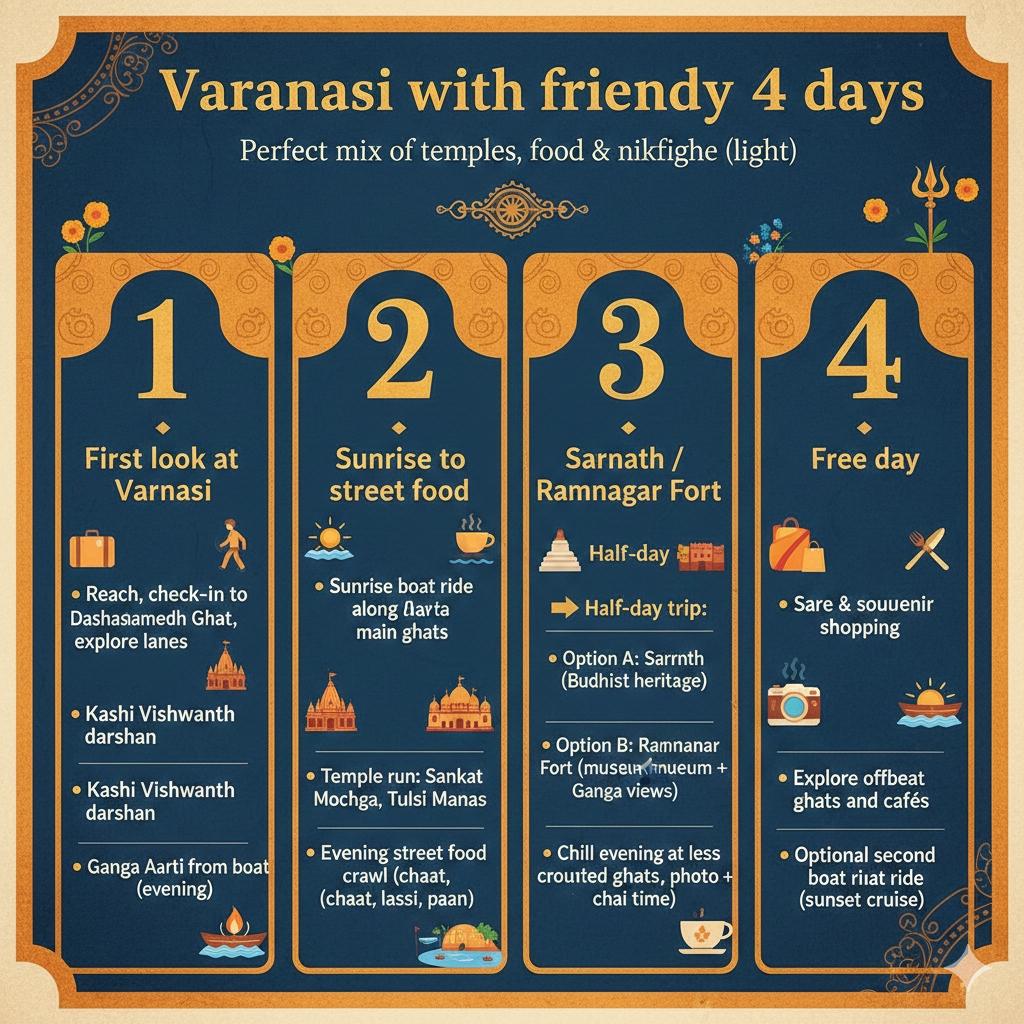
Family Tour Varanasi 3 Day Timeline

Entry:

Free. Hours: 5:00 AM – 10:00 PM. Time needed: 30–40 minutes.

Kashi Vishwanath Complex (14:30 – 16:00)

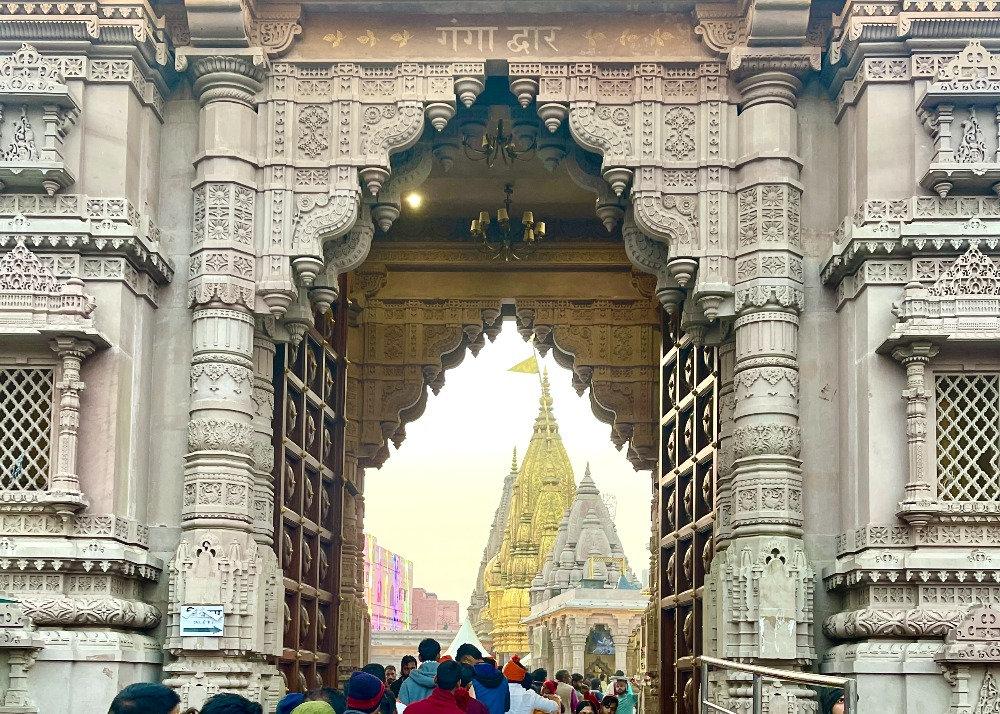
Kashi Vishwanath — the Ganga Dwar entrance Ganga Dwar entrance to Kashi Vishwanath — one of twelve Jyotirlingas, rebuilt 1780 by Maharani Ahilyabai Holkar.

The spiritual axis of Varanasi. The circuit covers three temples within the KV Corridor:[^kv]

  1. Kashi Vishwanath Temple — One of twelve Jyotirlingas. Daily footfall: 10,000–15,000 pilgrims.
  2. Annapurna Temple — Goddess of nourishment, famous for the annadan tradition.
  3. Vishalakshi Temple — One of 51 Shakti Peethas.

Practical notes:

  • Sugam Darshan (fast-track): ₹300. Reduces queue from 20–120 min to 10–15 min.
  • Security: No mobile phones, leather items, or cameras. Lockers ₹20–50. Use Gate 4 for shortest queue.
  • Queue reality: Weekday afternoons: 20–40 min. Weekends: 60–120 min.
  • KV Corridor accessibility: Accessible pathways suitable for elderly visitors and wheelchairs.
Kashi Vishwanath Complex (14:30 – 16:00)

Ganga Dwar entrance to Kashi Vishwanath — one of twelve Jyotirlingas, rebuilt 1780 by Maharani Ahilyabai Holkar.

Kashi Vishwanath Temple

One of twelve Jyotirlingas. Daily footfall: 10,000–15,000 pilgrims.

Annapurna Temple

Goddess of nourishment, famous for the annadan tradition.

Vishalakshi Temple

One of 51 Shakti Peethas.

Practical notes:

Sugam Darshan (fast-track):

₹300. Reduces queue from 20–120 min to 10–15 min.

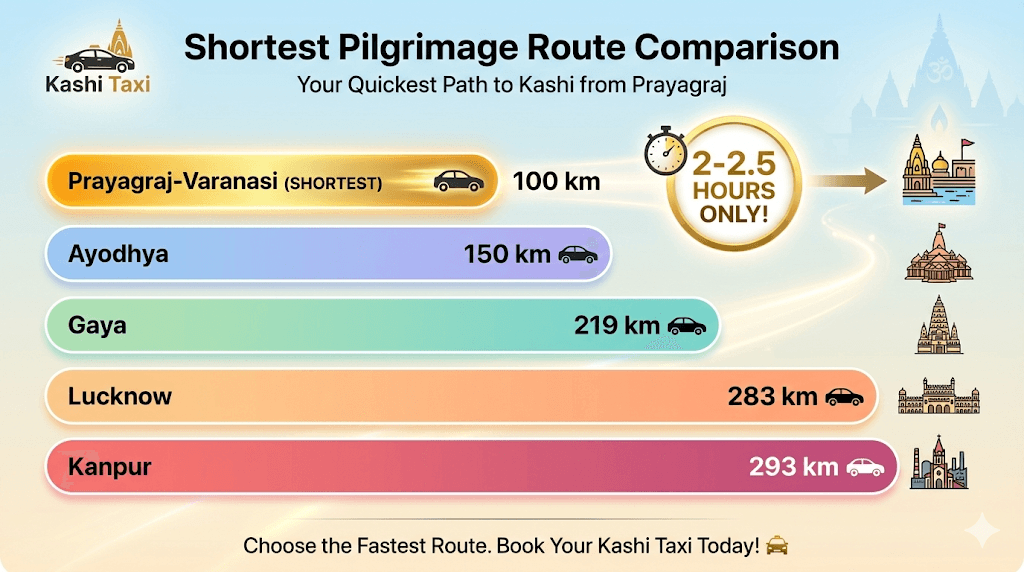
Prayagraj To Varanasi Shortest Route Comparison

Security:

No mobile phones, leather items, or cameras. Lockers ₹20–50. Use Gate 4 for shortest queue.

Queue reality:

Weekday afternoons: 20–40 min. Weekends: 60–120 min.

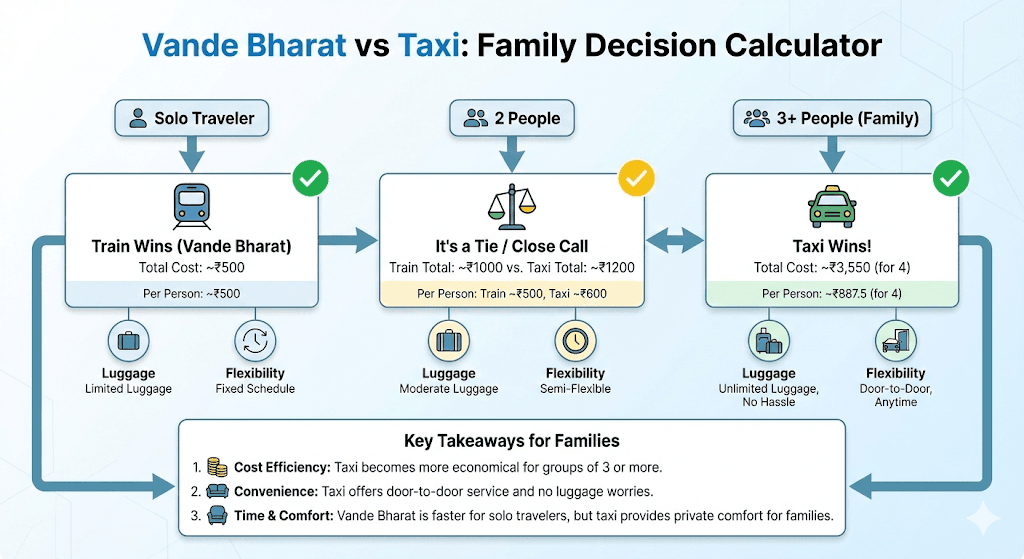
Ayodhya Varanasi Vande Bharat Taxi Calculator

KV Corridor accessibility:

Accessible pathways suitable for elderly visitors and wheelchairs.

Dashashwamedh Ghat Ganga Aarti (18:15 – 19:15)

Ganga Aarti — the first of two Aarti experiences on this circuit Seven priests, multi-tiered brass lamps, synchronized devotional chants. Day 2 evening brings the Saryu counterpart in Ayodhya.

Seven priests perform a synchronized 45-minute ceremony. Your boat anchors in prime position for unobstructed views.[^aarti]

Aarti timing (approximate — shifts gradually):

SeasonStart Time
Winter (Nov–Feb)5:15–5:45 PM
Shoulder (Mar, Oct)5:45–6:00 PM
Summer (Apr–Jun)6:30–7:15 PM
Monsoon (Jul–Sep)~6:45 PM
Dashashwamedh Ghat Ganga Aarti (18:15 – 19:15)

Seven priests, multi-tiered brass lamps, synchronized devotional chants. Day 2 evening brings the Saryu counterpart in Ayodhya.

Aarti timing (approximate — shifts gradually):

Post-Aarti Food Walk (19:15 – 20:00)

StopWhat to TryCost
Deena Chaat BhandarTamatar chaat — tangy, spicy, unique to Varanasi₹30–50
Baba ThandaiAlmond-fennel-saffron cold milk (est. 1943)₹40–80
Keshav Tambul BhandarBanarasi paan — the farewell-to-Kashi ritual before driving to Ayodhya tomorrow₹20–100

Dinner & overnight at Varanasi hotel.

Post-Aarti Food Walk (19:15 – 20:00)
NIGHT

Dinner & overnight

at Varanasi hotel.

Subah-e-Banaras — Sunrise Boat Ride (Pre-dawn)

Sunrise on the Ganges — the moment that makes this a multi-day trip The indigo-to-saffron palette lasts 14–18 minutes. Pre-dawn boarding is essential.

The pre-dawn Ganges is a different river — quieter, cooler, drenched in ceremony. Subah-e-Banaras at Assi Ghat, yoga practitioner silhouettes, dawn colour palette, and Manikarnika's eternal flames from a respectful distance.[^subah]

Monthly boarding schedule:

MonthSunriseBoard ByPre-Dawn Temp
Oct05:5005:1520–22°C
Nov06:1505:3516–18°C
Dec06:4006:0012–14°C
Jan06:4806:0010–13°C
Feb06:3005:5014–16°C
Mar06:0005:2018–20°C
Apr05:3004:5022–24°C
May–Jun05:1004:3526–29°C
Jul–Sep05:15–05:4004:40–05:1025–27°C
Subah-e-Banaras — Sunrise Boat Ride (Pre-dawn)

The indigo-to-saffron palette lasts 14–18 minutes. Pre-dawn boarding is essential.

Monthly boarding schedule:

Breakfast & Morning Temples (08:00 – 11:30)

Hotel buffet breakfast, then the secondary temple circuit:

  • Sankat Mochan Hanuman Temple (09:00 – 09:40) — Founded by Tulsidas. Travel blessings, besan laddus as prasad. Free entry.[^temples]
  • Durga Kund (09:40 – 10:10) — Red sandstone, sacred pond. Free entry. Watch for monkeys.
  • Tulsi Manas Temple (10:10 – 10:40) — Where Tulsidas wrote the Ramcharitmanas. Verses inscribed on marble walls. Free entry. Open 5:30 AM – 12:00 PM, 3:30 PM – 9:00 PM.
  • BHU New Vishwanath Temple (10:40 – 11:30) — Marble architecture in Asia's largest university campus. Free entry.

Optional Sarnath (schedule permitting, adds 2.5 hrs): If your afternoon departure to Ayodhya allows, we can fit a 90-minute Sarnath visit — Dhamek Stupa, Ashoka Pillar, and the archaeological site. Museum closed Fridays.[^sarnath]

Breakfast & Morning Temples (08:00 – 11:30)

Hotel buffet breakfast, then the secondary temple circuit:

Sankat Mochan Hanuman Temple (09:00 – 09:40)

Founded by Tulsidas. Travel blessings, besan laddus as prasad. Free entry.[^temples]

Durga Kund (09:40 – 10:10)

Red sandstone, sacred pond. Free entry. Watch for monkeys.

Tulsi Manas Temple (10:10 – 10:40)

Where Tulsidas wrote the Ramcharitmanas. Verses inscribed on marble walls. Free entry. Open 5:30 AM – 12:00 PM, 3:30 PM – 9:00 PM.

BHU New Vishwanath Temple (10:40 – 11:30)

Marble architecture in Asia's largest university campus. Free entry.

Ayodhya Station Confusion Comparison

Optional Sarnath (schedule permitting, adds 2.5 hrs):

If your afternoon departure to Ayodhya allows, we can fit a 90-minute Sarnath visit — Dhamek Stupa, Ashoka Pillar, and the archaeological site. Museum closed Fridays.[^sarnath]

Intercity Transfer — Varanasi → Ayodhya (12:00 – 17:00)

Hotel checkout, lunch, then the 200–220 km drive in your private AC vehicle.

Route: NH19/NH27 via Jaunpur → Sultanpur → Ayodhya. National highway throughout, reasonable road quality.

Rest stop at Jaunpur (~100 km, 2 hrs in): Quick chai break. History buffs can glimpse the Atala Mosque (1408 Sharqi-dynasty architecture) from the roadside — one of India's finest early medieval monuments.

Driving time: 4–5 hours including rest stop. We plan departure to reach Ayodhya by 5:00 PM for Saryu Aarti.[^drive]

Intercity Transfer — Varanasi → Ayodhya (12:00 – 17:00)

Hotel checkout, lunch, then the 200–220 km drive in your private AC vehicle.

Ayodhya Station Confusion Comparison

Route:

NH19/NH27 via Jaunpur → Sultanpur → Ayodhya. National highway throughout, reasonable road quality.

Rest stop at Jaunpur (~100 km, 2 hrs in):

Quick chai break. History buffs can glimpse the Atala Mosque (1408 Sharqi-dynasty architecture) from the roadside — one of India's finest early medieval monuments.

Ayodhya Station Confusion Comparison

Driving time:

4–5 hours including rest stop. We plan departure to reach Ayodhya by 5:00 PM for Saryu Aarti.[^drive]

Saryu Aarti at Ram Ki Paidi (18:00 – 19:00)

The evening's spiritual counterpoint to last night's Ganga Aarti. Ram Ki Paidi is a renovated ghat series with gardens, temples, and floodlighting — the government invested ₹100+ crore in riverfront infrastructure after the temple inauguration.

What to expect:

  • Diyas (earthen lamps) set floating on the Saryu
  • Devotional chants building over 30–45 minutes
  • More intimate and serene than Varanasi's Ganga Aarti (though growing rapidly in scale)
  • Best vantage: Central ghats or from a boat on the Saryu[^saryu]

Aarti timing: Approximately 6:30–7:30 PM (seasonal shift similar to Varanasi).

Optional: Light and sound show narrating the Ramayana, if available during your visit.[^lss]

Dinner & overnight at Ayodhya hotel.

Saryu Aarti at Ram Ki Paidi (18:00 – 19:00)

The evening's spiritual counterpoint to last night's Ganga Aarti. Ram Ki Paidi is a renovated ghat series with gardens, temples, and floodlighting — the government invested ₹100+ crore in riverfront infrastructure after the temple inauguration.

Whatsapp Bg

What to expect:

Diyas (earthen lamps) set floating on the Saryu

Devotional chants building over 30–45 minutes

Ayodhya Varanasi Vande Bharat Taxi Calculator

More intimate and serene than Varanasi's Ganga Aarti (though growing rapidly in scale)

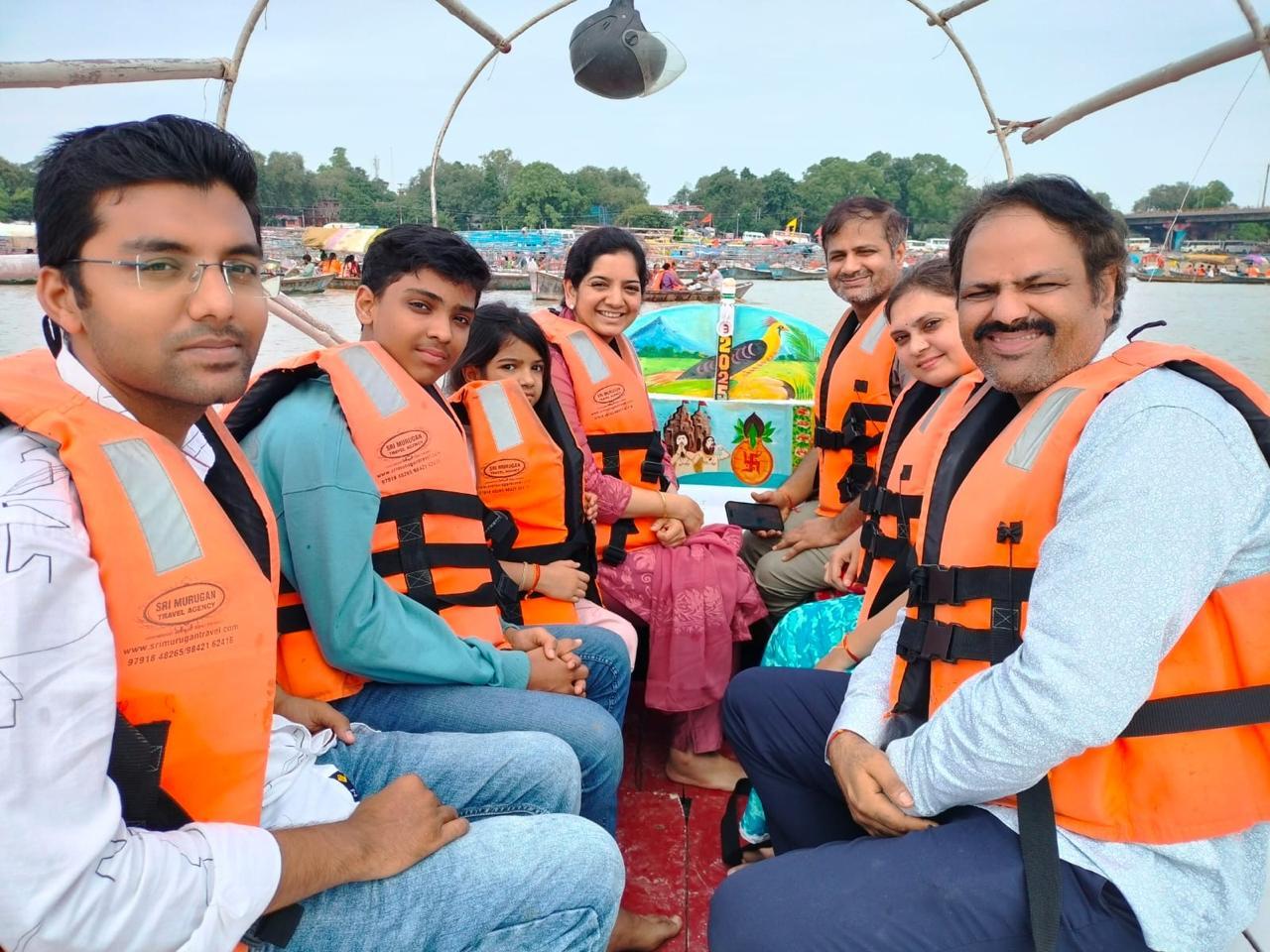
Varanasi Group Boat Cost

Best vantage

Central ghats or from a boat on the Saryu[^saryu]

Aarti timing:

Approximately 6:30–7:30 PM (seasonal shift similar to Varanasi).

Lucknow Varanasi Flight Train Taxi Comparison

Optional:

Light and sound show narrating the Ramayana, if available during your visit.[^lss]

Ayodhya Station Confusion Comparison
NIGHT

Dinner & overnight

at Ayodhya hotel.

Shri Ram Janmabhoomi Temple (07:00 – 09:30)

The emotional and spiritual peak of the circuit. The Ram Mandir was inaugurated on January 22, 2024, with the Dhwajarohan (flag-hoisting) ceremony completed November 25, 2025.[^ramjanm]

Architecture: Nagara/Maru-Gurjara style, 110m × 72m × 49m, 366 columns — built entirely from Bansi Paharpur sandstone fused with 10,000 copper plates. No iron or steel. Designed by the Sompura family (15 generations of temple architects).

The deity: Ram Lalla — a 5-year-old infant Rama carved from 60-million-year-old Shaligram rocks sourced from Nepal's Kali Gandaki river. On Ram Navami, the Surya Tilak phenomenon directs a sunbeam onto the deity's forehead through a mirror-and-lens apparatus.

Darshan process:

  • Entry: FREE. The Shri Ram Janmabhoomi Teerth Kshetra trust explicitly warns that no fee is charged — beware of anyone claiming otherwise.
  • Darshan windows: 7 slots daily, 7:00 AM – 9:00 PM (2-hour blocks).
  • Best slot: 7:00 AM weekday for shortest queue (30–60 min). Weekends and festivals: 2–4+ hours.
  • Average daily footfall: 1–1.5 lakh visitors.
  • Security: Extensive screening. No mobile phones, cameras, leather items, or bags. Lockers available at Gate 3. Plan to arrive 30 min before your slot.
  • Dress code: Modest clothing covering shoulders and knees. Head cover recommended for women.
  • Accessibility: Ramps and lifts available. Pilgrim centre serves 25,000 visitors.

Aarti schedule: Mangal Aarti 4:00 AM, Shringar Aarti 6:00 AM, Shayan Aarti 10:00 PM. Free aarti passes bookable at online.srjbtkshetra.org.

Our concierge role: We handle locker logistics, queue strategy, best-time-of-day advice, and post-darshan navigation. You focus on the experience.

Shri Ram Janmabhoomi Temple (07:00 – 09:30)

The emotional and spiritual peak of the circuit. The Ram Mandir was inaugurated on January 22, 2024, with the Dhwajarohan (flag-hoisting) ceremony completed November 25, 2025.[^ramjanm]

Family Tour Varanasi 3 Day Timeline

Architecture:

Nagara/Maru-Gurjara style, 110m × 72m × 49m, 366 columns — built entirely from Bansi Paharpur sandstone fused with 10,000 copper plates. No iron or steel. Designed by the Sompura family (15 generations of temple architects).

Ayodhya Varanasi Vande Bharat Taxi Calculator

The deity:

Ram Lalla — a 5-year-old infant Rama carved from 60-million-year-old Shaligram rocks sourced from Nepal's Kali Gandaki river. On Ram Navami, the Surya Tilak phenomenon directs a sunbeam onto the deity's forehead through a mirror-and-lens apparatus.

Darshan process:

Entry:

FREE. The Shri Ram Janmabhoomi Teerth Kshetra trust explicitly warns that no fee is charged — beware of anyone claiming otherwise.

Darshan windows:

7 slots daily, 7:00 AM – 9:00 PM (2-hour blocks).

Prayagraj To Varanasi Shortest Route Comparison

Best slot:

7:00 AM weekday for shortest queue (30–60 min). Weekends and festivals: 2–4+ hours.

Average daily footfall:

1–1.5 lakh visitors.

Family Trip Planning Tips

Security:

Extensive screening. No mobile phones, cameras, leather items, or bags. Lockers available at Gate 3. Plan to arrive 30 min before your slot.

Ayodhya Varanasi Vande Bharat Taxi Calculator

Dress code:

Modest clothing covering shoulders and knees. Head cover recommended for women.

Ayodhya Varanasi Vande Bharat Taxi Calculator

Accessibility:

Ramps and lifts available. Pilgrim centre serves 25,000 visitors.

Aarti schedule:

Mangal Aarti 4:00 AM, Shringar Aarti 6:00 AM, Shayan Aarti 10:00 PM. Free aarti passes bookable at online.srjbtkshetra.org.

Family Tour Varanasi 3 Day Timeline

Our concierge role:

We handle locker logistics, queue strategy, best-time-of-day advice, and post-darshan navigation. You focus on the experience.

Hanuman Garhi (09:30 – 10:15)

The fort-shaped temple dedicated to Lord Hanuman, perched above the town with circular corner ramparts. The climb is 76 steep steps — the view from the top is worth it if mobility allows.[^hanuman]

What's at the top:

  • 6-inch Bal (child) Hanuman seated on mother Anjani's lap
  • Silver-carved garbha griha with 3 ornate doors
  • Hanuman Chalisa inscribed on interior walls
  • Vijay Stambh (victory pillar)
  • Panoramic views over Ayodhya

Entry: Free. Hours: ~5:00 AM – 10:00 PM. Time needed: 30–45 minutes.

Elderly advisory: The 76 steps are genuinely challenging — no lift alternative. We recommend elderly travellers do darshan from the base entrance instead. The guide assists with prasad coordination.

Hanuman Garhi (09:30 – 10:15)

The fort-shaped temple dedicated to Lord Hanuman, perched above the town with circular corner ramparts. The climb is 76 steep steps — the view from the top is worth it if mobility allows.[^hanuman]

Whatsapp Bg

What's at the top:

6-inch Bal (child) Hanuman seated on mother Anjani's lap

Silver-carved garbha griha with 3 ornate doors

Hanuman Chalisa inscribed on interior walls

Vijay Stambh (victory pillar)

Ayodhya Station Confusion Comparison

Panoramic views over Ayodhya

Family Tour Varanasi 3 Day Timeline

Entry:

Free. Hours: ~5:00 AM – 10:00 PM. Time needed: 30–45 minutes.

Ayodhya Varanasi Complete Guide

Elderly advisory:

The 76 steps are genuinely challenging — no lift alternative. We recommend elderly travellers do darshan from the base entrance instead. The guide assists with prasad coordination.

Kanak Bhawan (10:15 – 10:45)

"Sone Ka Ghar" (House of Gold) — gifted by Kaikeyi (Ram's stepmother) to Ram and Sita per the Ramayana tradition. Refurbished by King Vikramaditya and later by Bhanu Kunwari (Orchha queen).[^kanak]

Highlight: Gold-crowned Ram-Sita idols in the sanctum — among the most ornate deity dressings in Ayodhya.

Entry: Free. Hours: ~8:00 AM – 12:00 PM, 4:00 PM – 9:00 PM. Time needed: 20–30 minutes.

Kanak Bhawan (10:15 – 10:45)

"Sone Ka Ghar" (House of Gold) — gifted by Kaikeyi (Ram's stepmother) to Ram and Sita per the Ramayana tradition. Refurbished by King Vikramaditya and later by Bhanu Kunwari (Orchha queen).[^kanak]

Ayodhya Station Confusion Comparison

Highlight:

Gold-crowned Ram-Sita idols in the sanctum — among the most ornate deity dressings in Ayodhya.

Family Tour Varanasi 3 Day Timeline

Entry:

Free. Hours: ~8:00 AM – 12:00 PM, 4:00 PM – 9:00 PM. Time needed: 20–30 minutes.

Sita Ki Rasoi & Dashrath Mahal (10:45 – 11:30)

Two adjacent heritage stops in the Ramkot area:

  • Sita Ki Rasoi — The symbolic royal kitchen. Stone utensils on display — rolling pin, griddle, mortar — representing Sita's domestic life in the palace. Adjacent to Kanak Bhawan. Free entry, 10–15 minutes.
  • Dashrath Mahal — Temple/palace complex at the site of King Dasharatha's royal court. Part of the Ramkot heritage circuit. Free entry, 15–20 minutes.[^dashrath]
Sita Ki Rasoi & Dashrath Mahal (10:45 – 11:30)

Two adjacent heritage stops in the Ramkot area:

Sita Ki Rasoi

The symbolic royal kitchen. Stone utensils on display — rolling pin, griddle, mortar — representing Sita's domestic life in the palace. Adjacent to Kanak Bhawan. Free entry, 10–15 minutes.

Gaya Varanasi Ancestor Liberation Circuit

Dashrath Mahal

Temple/palace complex at the site of King Dasharatha's royal court. Part of the Ramkot heritage circuit. Free entry, 15–20 minutes.[^dashrath]

Nageshwarnath Temple (11:30 – 12:00)

One of the few non-Rama sites in Ayodhya — an ancient Shiva shrine. Legend says Kush (Ram's son) lost his armlet in the Saryu; a nag kanya (snake princess) returned it; they married; Kush built this temple for her. The present structure dates to 1750 AD. It's the presiding deity of Ayodhya, and the Mahashivaratri crowd here rivals any temple in the city.[^nagesh]

Entry: Free. Time needed: 20–30 minutes.

Nageshwarnath Temple (11:30 – 12:00)

One of the few non-Rama sites in Ayodhya — an ancient Shiva shrine. Legend says Kush (Ram's son) lost his armlet in the Saryu; a nag kanya (snake princess) returned it; they married; Kush built this temple for her. The present structure dates to 1750 AD. It's the presiding deity of Ayodhya, and the Mahashivaratri crowd here rivals any temple in the city.[^nagesh]

Family Tour Varanasi 3 Day Timeline

Entry:

Free. Time needed: 20–30 minutes.

Optional Extensions (if departure timing allows)

  • Ram Ki Paidi morning stroll — The renovated riverfront is peaceful before the afternoon crowds.
  • Guptar Ghat — Where, per tradition, Lord Rama took jal samadhi (entered the Saryu). A quieter pilgrimage site.
  • Tulsi Smarak Bhavan — Museum dedicated to Goswami Tulsidas, with manuscripts and artifacts related to the Ramcharitmanas.[^optional]
Optional Extensions (if departure timing allows)
MORNING

Ram Ki Paidi morning stroll

The renovated riverfront is peaceful before the afternoon crowds.

Guptar Ghat

Where, per tradition, Lord Rama took jal samadhi (entered the Saryu). A quieter pilgrimage site.

Ayodhya Varanasi Vande Bharat Taxi Calculator

Tulsi Smarak Bhavan

Museum dedicated to Goswami Tulsidas, with manuscripts and artifacts related to the Ramcharitmanas.[^optional]

Lunch, Shopping & Departure (12:30 – 14:00+)

Lunch: Sattvic thali at a local restaurant or hotel.

Souvenir shopping:

  • Ayodhya pedas and laddoos (₹100–300/box)
  • Small Ram-Sita brass or marble idols (₹200–2,000)
  • Rudraksha malas (₹300–3,000)
  • Sandalwood items (₹150–1,000)

Departure options:

  • Ayodhya airport (AYJ) — 8 km from town centre (15–20 min). Direct flights to Delhi, Mumbai, Bengaluru.
  • Ayodhya Junction railway station — Walking distance from most hotels.
  • Return to Varanasi — 4–5 hr cab ride back for onward travel from VNS. We can arrange this as a separate leg.
Lunch, Shopping & Departure (12:30 – 14:00+)

Lunch:

Sattvic thali at a local restaurant or hotel.

Souvenir shopping:

Ayodhya Station Confusion Comparison

Ayodhya pedas and laddoos (₹100–300/box)

Small Ram-Sita brass or marble idols (₹200–2,000)

Rudraksha malas (₹300–3,000)

Sandalwood items (₹150–1,000)

Departure options:

Ayodhya Station Confusion Comparison

Ayodhya airport (AYJ)

8 km from town centre (15–20 min). Direct flights to Delhi, Mumbai, Bengaluru.

Ayodhya Station Confusion Comparison

Ayodhya Junction railway station

Walking distance from most hotels.

Return to Varanasi

4–5 hr cab ride back for onward travel from VNS. We can arrange this as a separate leg.


Where to Stay — Area Guide (Both Cities)

Varanasi (Night 1)

AreaBest ForWhy
Assi GhatCouples, balanced experienceCafé culture, morning boat access, relaxed vibe
DashashwamedhFirst-time spiritual visitorsWalking distance to Ganga Aarti
CantonmentFamilies with elders, childrenRoad connectivity, easier pickup/drop

Ayodhya (Night 2)

AreaBest ForWhy
Near Ram Ki PaidiMost visitorsWalkable to Saryu Aarti + temple circuit
Near Railway StationBudget travellers, early departuresConvenient if taking morning train
New hotel zoneComfort seekersPost-inauguration branded hotels with modern amenities

Ayodhya's hotel infrastructure has improved dramatically since January 2024 — new branded properties and budget stays have opened across the city.


Everything That's Included (and Not)

IncludedDetails
Hotels1 night Varanasi + 1 night Ayodhya (3-star baseline, upgradeable)
MealsBreakfast daily. MAP/AP optional add-ons.
TransportPrivate AC cab from arrival to departure — intercity leg included. Tolls, parking, driver allowances covered.
Boat ridesSunset + sunrise private boats in Varanasi
Aarti experiencesGanga Aarti (Dashashwamedh) + Saryu Aarti (Ram Ki Paidi)
Temple coordinationGuided darshan circuits in both cities, Sugam Darshan assistance at KV, locker management at Ram Janmabhoomi
SupportEnglish-speaking storyteller guide, concierge on WhatsApp, festival/crowd intelligence

Not included: Lunches/dinners (unless MAP/AP upgrade), VIP darshan tickets, camera fees, temple donations, personal shopping, travel insurance, gratuities.

Transparent Pricing

Package TierWhat's In ItPer Person (twin sharing)
Budget3-star hotels + breakfast + standard cab + boats + guide₹8,499 – 12,000
StandardEnhanced hotels + some meals + dedicated guide₹15,000 – 20,000
Deluxe4-star stays + all meals + VIP darshan support₹24,000 – 29,000
Luxury5-star/heritage mix + bespoke add-ons + all meals₹35,000+

Festival pricing: Expect 20–40% surcharge during Ram Navami (March/April), Dev Deepawali (November), and other peak festivals.


Best Time to Visit — Month by Month

MonthVaranasiAyodhyaVerdict
Oct22–32°C, Navratri energyPleasant, post-monsoon freshGreat start to season
Nov14–28°C, Dev DeepawaliKartik Purnima celebrationsBest month for the circuit
Dec8–22°C, cool, malaiyo seasonCool and comfortableExcellent. Fog risk for sunrise.
Jan5–18°C, cold morningsCold, Republic Day eventsGood but cold. Layer up.
Feb8–24°C, Maha ShivaratriPleasant warmingGood. KV crowds spike during Shivaratri.
Mar–Apr15–40°C warmingRam Navami crowd surgeRam Navami (Mar/Apr) is the peak Ayodhya event. Book 15+ days ahead.
May–Jun28–45°C, extreme heatVery hotOff-season. 30–40% discounts.
Jul–Sep26–35°C, monsoonMonsoon, some roads affectedLow season. Boat rides may be suspended.

Booking Intelligence

  1. Peak season (Oct–Mar): Book 10–15 days ahead. Both cities fill during festivals.
  2. Ram Navami (Mar/Apr): Ayodhya's biggest day. Book 3–4 weeks ahead. Crowds can reach 5+ lakh.
  3. Off-season (May–Aug): 2–3 days notice. Hotel discounts of 30–40%.
  4. Late arrivals: Share flight/train details at booking. We restructure Day 1 timing.
  5. Dietary needs: Indicate Jain, vegan, sattvic, or allergy requirements. Both cities are overwhelmingly vegetarian.
  6. Mobility constraints: Mention at booking — Hanuman Garhi has 76 steps, Ram Janmabhoomi has long walking distances, and some Varanasi ghat temples have stairs.
  7. ID proofs: Digital copies for Sugam Darshan at KV and hotel check-ins in both cities. Aadhaar or passport accepted.

What to Pack

  • Temple clothing: Modest, loose cotton layers covering shoulders and knees. Dupatta/scarf for head cover. No leather at any temple — including belts, bags, and wallets (leave in car).
  • Footwear: Slip-on sandals — you'll remove them at 12+ temples across both cities.
  • For the drive: Snacks, water, entertainment for the 4–5 hr intercity leg. Neck pillow if you doze.
  • Essentials: Sunscreen, reusable water bottle, power bank, hand sanitizer, ₹5,000–8,000 cash in small denominations.
  • Winter (Nov–Feb): Warm layer for sunrise boat (8–13°C on the water).

Add-On Experiences

ExperienceCityDurationPrice Range
VIP darshan at KV (concierge-managed)Varanasi45 min₹500–1,000
Sarnath excursion (if schedule allows)Varanasi2.5 hrs₹500–1,000 (transport + entry)
Classical music recitalVaranasi60–90 min₹2,000–5,000
Guided food walk (6–8 stops)Varanasi90 min₹1,200–2,000
Heritage decorated boat for AartiVaranasi75 min₹6,000–10,000
Ram Janmabhoomi Mangal/Shringar Aarti (4/6 AM)Ayodhya30–45 minFree (early wake-up logistics)
Prayagraj Sangam day extensionBothFull day₹2,000–4,000 (transport)

Why Travellers Trust Kashi Taxi for This Circuit

  • Dual-city network: Local teams in both Kashi and Ayodhya for on-ground agility. Your guide changes (or doesn't) at the city border based on expertise.
  • Festival intelligence: Live updates on crowd movement, security closures, Ram Janmabhoomi queue estimates, and convoy advisories across both cities.
  • Curated partners: Hotels, boats, drivers, and guides audited quarterly in both cities.
  • Intercity vehicle consistency: The same AC vehicle and driver covers the entire 3-day circuit — no handover confusion.
  • 24/7 WhatsApp support for route changes, delays, or "my train is cancelled, what now?" moments.
  • Transparent billing: GST invoices, no hidden temple "commissions," pay-in-advance clarity.

Frequently Asked Questions

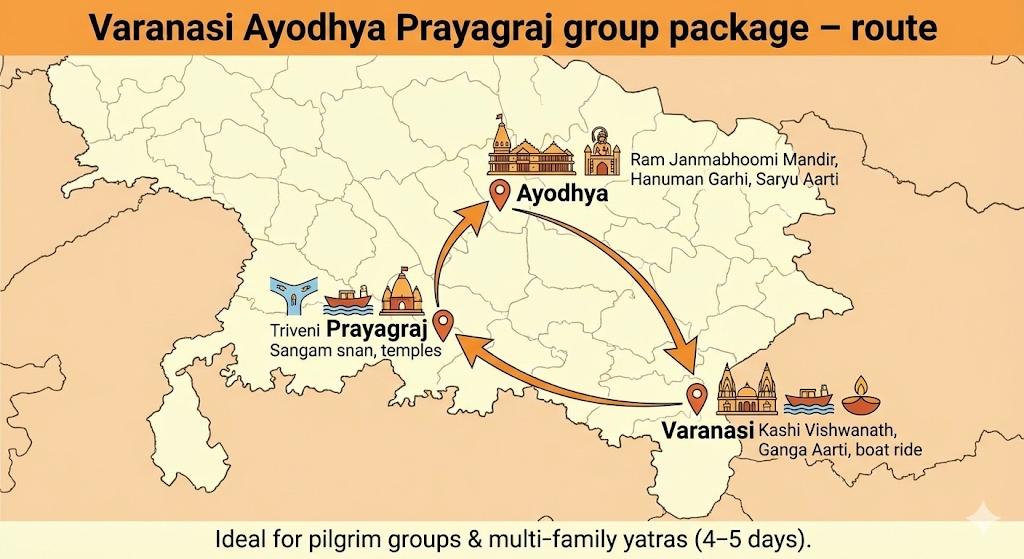
Is 3 days enough for Ayodhya and Varanasi? Yes — 3 days comfortably covers both cities. Day 1 covers Varanasi's Kashi Vishwanath temple circuit and Ganga Aarti. Day 2 adds the sunrise boat ride, secondary temples, optional Sarnath visit, and the afternoon drive to Ayodhya with Saryu Aarti. Day 3 covers Ram Janmabhoomi, Hanuman Garhi, Kanak Bhawan, and departure. For Prayagraj as well, extend to 4–5 days.

How far is Ayodhya from Varanasi? 200–220 km via NH19/NH27 through Jaunpur and Sultanpur. The drive takes 4–5 hours in a private AC vehicle with one rest stop at Jaunpur (halfway). Road quality is reasonable — national highway throughout.

What is the Ram Janmabhoomi darshan process? Entry is free — no fee is charged (the trust explicitly warns against scam claims). Darshan runs in 2-hour windows from 7 AM to 9 PM daily. Security is extensive: no mobile phones, cameras, leather items, or bags allowed inside. Lockers at Gate 3. Expect 1–2 hour queues on weekdays, longer on weekends. Early 7 AM weekday slot has the shortest wait.

How much does the Ayodhya-Varanasi 3-day tour cost? Budget: ₹8,499–12,000 per person twin sharing (3-star, breakfast). Standard: ₹15,000–20,000 (enhanced hotels, some meals). Deluxe: ₹24,000–29,000 (4-star, all meals, VIP support). Luxury: ₹35,000+ (5-star/heritage, bespoke). Festival surcharge of 20–40% during peak.

Is the tour suitable for elderly parents? Mostly yes with adjustments. Varanasi's KV Corridor has accessible pathways and Sarnath is flat. In Ayodhya, Ram Janmabhoomi has ramps and lifts. The challenge is Hanuman Garhi — 76 steep steps with no elevator. We recommend elderly travellers do darshan from the base. Cantonment hotels in both cities ensure smooth logistics.

Can I start from Ayodhya instead of Varanasi? Yes — the itinerary reverses easily. Start with Ayodhya darshan on Day 1, drive to Varanasi on Day 2 with Ganga Aarti on arrival evening, cover Varanasi temples and sunrise boat on Day 3.

What should I wear for temple visits? Modest loose clothing covering shoulders and knees. No leather items at any temple. Dupatta or scarf for head cover at Kashi Vishwanath. Ram Janmabhoomi has similar rules — no phones, cameras, or leather past the security perimeter.

Is photography allowed at Ram Janmabhoomi? No — mobile phones and cameras are prohibited inside the temple complex. Security is strict. You can photograph from outside the perimeter. Lockers at Gate 3 store devices during darshan.

What if my schedule only allows 2 days? The Varanasi-only 2-day tour covers the Kashi core. Adding Ayodhya to 2 days is extremely rushed — you'd skip either sunrise or Sarnath. We strongly recommend 3 days for the twin-city circuit.


Location

🚕 Quick Booking

Get instant quote

Prefer talking? Call 80621 82380

Plan your Ayodhya + Kashi yatra

Priority darshan slots, Saryu and Ganga Aartis, intercity cabs and vetted hotels organised end-to-end.